Choosing Trusted Plumbers Pike Township Indianapolis IN: A Complete Guide for Homes & Businesses
This guide explains how to choose trusted plumbers in Pike Township Indianapolis IN by focusing on experience, reliability, and long-term value. It highlights common plumbing issues, key qualities to look for, and warning signs to avoid. By following a clear, step-by-step approach, property owners can make confident decisions that reduce costs, prevent recurring problems, and ensure lasting performance.

A property rarely fails all at once. It signals distress in subtle ways; slow drains, inconsistent water pressure, or minor leaks that seem easy to ignore. In Pike Township Indianapolis IN, where properties range from older homes to modern builds, plumbing systems face different levels of wear and complexity. These early signs often go unnoticed until they evolve into costly disruptions that demand immediate attention and affect both comfort and functionality.
Choosing the wrong professional at this stage can multiply the problem. Temporary fixes, poor workmanship, or misdiagnosed issues often lead to repeated repairs, higher expenses, and unnecessary stress. Many property owners underestimate how much this decision impacts their time, budget, and peace of mind. Working with trusted plumbers Pike Township Indianapolis IN is not simply about fixing what is visible; it is about preventing what is not.
In this guide, you will learn how to identify reliable professionals, understand local plumbing challenges, avoid costly mistakes, and make confident decisions that protect your property. Choosing the right plumber is not a one-time repair decision; it is a long-term investment in stability, efficiency, and control.
Why Choosing the Right Plumber Matters More Than You Think
Most plumbing decisions are made under pressure, often when a problem has already started to disrupt normal life. In that moment, speed feels more important than quality. However, the choice you make during that urgency shapes what happens next, whether the issue ends permanently or quietly returns with greater impact.
Temporary Fixes Lead to Recurring Problems
A quick repair may appear effective at first, but surface-level fixes rarely address the root cause. What seems resolved today can reappear in days or weeks, often with more complexity. Small leaks, partial blockages, or unstable connections tend to grow over time, turning minor inconveniences into ongoing problems that demand repeated attention.
Hidden Leaks Cause Structural Damage
Not every issue stays visible. Water can travel behind walls, under floors, and through structural layers without immediate detection. Over time, this leads to weakened materials, mold growth, and costly repairs that extend far beyond plumbing. An experienced emergency plumber Pike Township Indianapolis IN understands how to identify these hidden risks before they escalate.
Low-Quality Materials Increase Future Costs
The durability of any repair depends on the materials used. Lower-grade components may reduce initial costs, but they fail faster under daily use. This creates a cycle where repairs become frequent, expenses increase, and long-term reliability disappears.
The Emotional Cost of Poor Decisions
Plumbing problems do not just affect structures; they disrupt routines. Time is lost managing repeated visits, schedules shift unexpectedly, and uncertainty builds with every unresolved issue. That sense of control over your property begins to slip, replaced by frustration and ongoing concern.
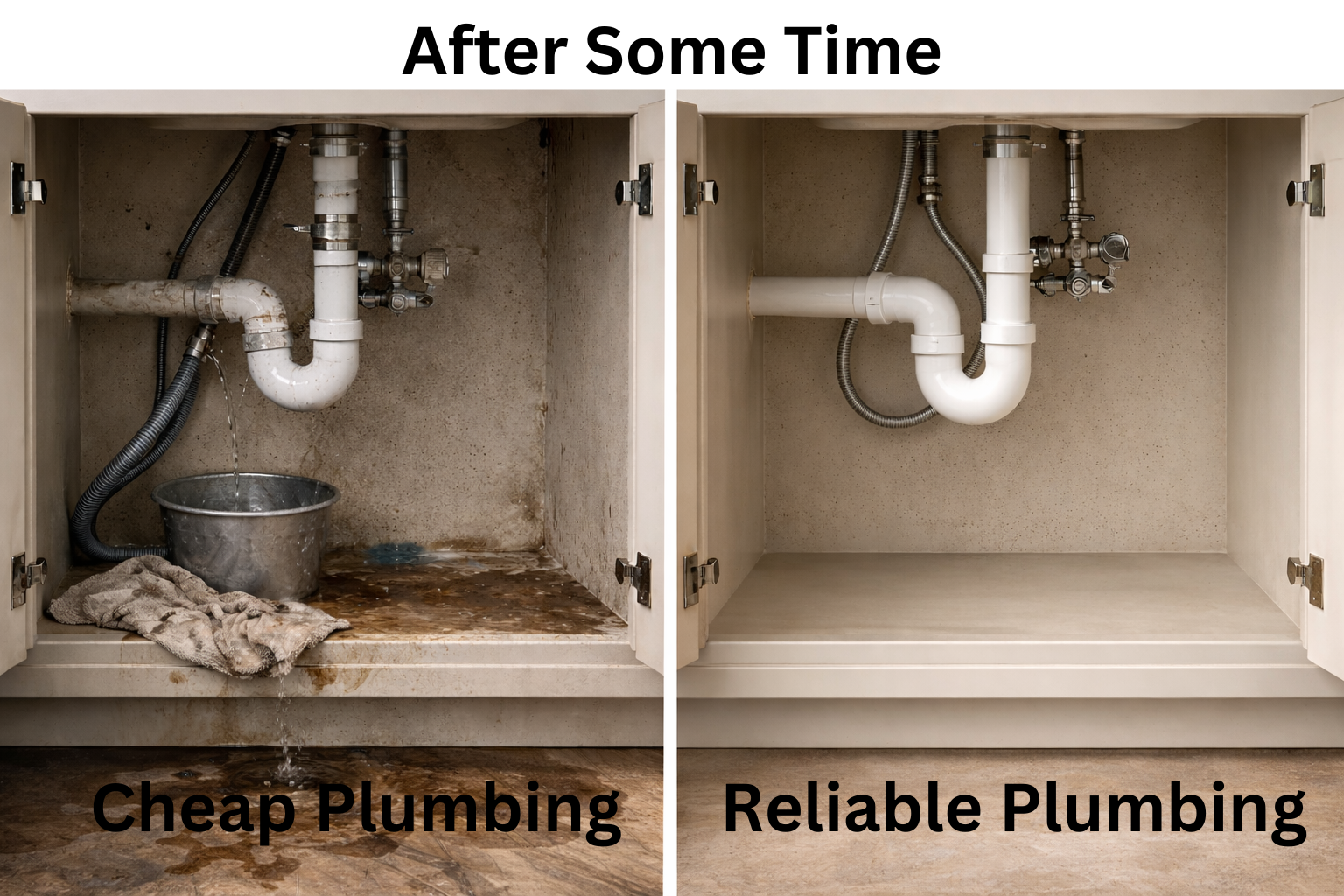
Cheap Service Often Becomes Expensive
Choosing based on the lowest price often leads to higher overall costs. What appears affordable in the beginning can result in multiple repairs, additional damage, and extended downtime. When evaluating options like plumbers near me, it becomes clear that true value comes from reliability, not just pricing.
The true cost of a plumbing decision is not what you pay today, but what you continue to pay if the problem is never fully resolved.
In the end, the decision you make is not just about fixing a current issue; it defines the outcome that follows.
Common Plumbing Challenges in Pike Township Indianapolis IN
Plumbing systems in Pike Township Indianapolis IN vary significantly based on property age, construction style, and maintenance history. What works for a newer home may not apply to an older structure with aging pipes and outdated layouts. This variation creates unique challenges that require more than a standard approach. Understanding these local conditions helps property owners make better decisions and avoid recurring issues.
Older vs. Newer Properties: Different Systems, Different Risks
Older properties often rely on aging pipes that may have experienced years of wear, corrosion, and buildup. These systems are more prone to leaks, reduced efficiency, and unexpected failures. In contrast, newer homes may feature updated materials but can still face issues related to installation quality or design limitations. A professional with local experience understands how these differences affect performance and long-term reliability.
Pipe Corrosion and Material Wear
Over time, pipes naturally degrade due to water composition, pressure, and environmental conditions. Corrosion can weaken pipe walls, leading to leaks or contamination risks. This issue is especially common in older plumbing systems where materials have exceeded their intended lifespan. Addressing corrosion early prevents structural damage and costly replacements.
Water Pressure Inconsistencies
Fluctuating water pressure is a common concern across both residential and commercial properties. Low pressure may indicate blockages, leaks, or system inefficiencies, while high pressure can strain pipes and fixtures. Identifying the exact cause requires careful inspection rather than guesswork, which is why many property owners rely on a 24 hour plumber Pike Township Indianapolis IN for timely and accurate diagnosis.
Drain Blockages and Slow Flow
Drain issues often begin with minor buildup but can quickly escalate into complete blockages. Grease, debris, and foreign materials accumulate over time, restricting water flow and creating backups. These problems disrupt daily routines and can lead to further complications if not handled properly.
Seasonal Challenges: Freezing and Burst Pipes
Seasonal temperature changes bring additional risks, especially during colder months. Freezing conditions can cause pipes to expand and burst, leading to sudden water damage and urgent repair needs. Preventive measures and timely inspections play a critical role in avoiding these situations.
Plumbing challenges in Pike Township require more than a standard fix, local conditions demand informed decisions and precise solutions.
When dealing with these issues, experience within the local area becomes a major advantage. A professional familiar with Pike Township systems can identify patterns, anticipate risks, and recommend solutions that go beyond temporary fixes. Even when evaluating options like an affordable plumber near me Pike Township Indianapolis, it is essential to prioritize expertise over convenience, because generic solutions rarely deliver lasting results in this environment.
Key Qualities of Trusted Plumbers in Pike Township Indianapolis IN
Not all plumbing services deliver the same level of reliability. The difference becomes clear when a repair either lasts for years or fails within weeks. Choosing the right professional requires more than availability. It requires evaluating qualities that directly impact results. When comparing options such as plumbers Pike Township Indianapolis IN, these core factors define whether your decision leads to stability or repeated issues.
Licensing & Certification
A licensed and certified plumber meets established industry standards and follows required regulations. This ensures that all work aligns with safety codes and professional guidelines. The benefit is clear: you reduce the risk of improper installations and avoid complications that could lead to costly corrections later.
Local Experience
Experience within Pike Township provides insight into common property layouts, aging systems, and regional plumbing challenges. A professional familiar with local conditions can diagnose issues more accurately and recommend solutions that last. The benefit is faster problem resolution with fewer chances of recurring repairs.
Transparent Pricing
Clear and upfront pricing eliminates uncertainty. Trusted professionals explain costs before starting the work, helping you understand exactly what you are paying for. The benefit is financial control, you avoid unexpected charges and can make confident decisions without pressure.
Clear Communication
Effective communication means explaining the problem, the solution, and the expected outcome in a way that makes sense. A reliable plumber does not create confusion or use overly technical language to obscure details. The benefit is clarity, you stay informed and in control of every step of the process.
Emergency Availability
Plumbing issues do not follow a schedule. Access to professional plumbers near me who offer 24/7 availability ensures that urgent problems can be addressed without delay. The benefit is immediate response, reducing damage, downtime, and stress when time matters most.
Proven Track Record
A strong reputation built on consistent results reflects reliability. Reviews, referrals, and past work provide insight into how a plumber performs over time. The benefit is confidence, you choose someone with a history of delivering dependable outcomes.
Trust in plumbing is not built on promises; it is built on consistent results, clear communication, and decisions that prevent problems instead of repeating them.
When these qualities come together, they create a standard that goes beyond basic service. They ensure that every repair, installation, or inspection contributes to long-term performance rather than short-term relief.

Red Flags to Avoid When Hiring a Plumber
Not every plumbing service delivers the level of professionalism and reliability your property requires. While some issues demand quick action, rushing into the wrong decision can create long-term consequences. Recognizing early warning signs helps you avoid unnecessary risks, protect your investment, and maintain control over both cost and outcome.
No License or Unclear Credentials
A lack of proper licensing or vague credentials raises immediate concerns about compliance and skill level. Without verified qualifications, there is no assurance that the work meets required standards or safety regulations. The result can be improper repairs, code violations, or future complications that are far more expensive to fix.
Unrealistically Low Pricing
Pricing that seems significantly lower than others often indicates shortcuts. This may involve substandard materials, incomplete work, or rushed repairs that fail over time. While lower costs may appear attractive initially, they frequently lead to repeated issues and higher overall expenses.
No Written Estimates
Professional plumbers provide clear, written estimates before starting any work. When this step is skipped, it creates uncertainty around pricing, scope, and expectations. Without documentation, it becomes difficult to hold anyone accountable for unexpected changes or added costs.
Poor Communication
A lack of clear communication often signals deeper problems. If a plumber avoids explaining the issue, gives vague answers, or fails to provide updates, it becomes harder to trust the process. Strong communication ensures you understand what is happening, why it matters, and what to expect next.
Pressure Tactics
Any attempt to rush your decision through urgency or pressure should be treated with caution. While some situations require immediate attention, a professional approach still allows for clarity and informed consent. For example, even when dealing with an emergency plumber Pike Township Indianapolis IN or a 24 hour plumber Pike Township Indianapolis IN, transparency and professionalism should never be compromised.
Warning signs in service are rarely accidental. They often reveal the quality of the outcome before the work even begins.
Making the right choice requires attention to these details. A decision made without careful evaluation can lead to repeated repairs, increased costs, and unnecessary stress. In the end, the impact of a poor choice is not always immediate, but it becomes clear over time.
Residential vs Commercial Plumbing Needs
Plumbing systems are not the same across every property. The expectations, usage patterns, and risks vary depending on whether the environment is residential or commercial. Understanding these differences helps you choose the right expertise and avoid solutions that fail under pressure. Even when considering options like an affordable plumber near me Pike Township Indianapolis, it is important to recognize that the right fit depends on the type of property and its specific demands.
Residential Plumbing: Comfort, Daily Use, and Safety
Residential plumbing focuses on consistency and reliability in everyday life. Systems are designed to support daily routines such as cooking, cleaning, and personal hygiene. Even a minor disruption, like a leaking pipe or clogged drain, can affect comfort and create inconvenience for the entire household. Safety also plays a key role, as issues like hidden leaks or faulty fixtures can lead to water damage or health concerns.
The benefit of specialized residential expertise is peace of mind. Problems are resolved with attention to detail, ensuring long-term stability and minimizing disruption to daily living.
Commercial Plumbing: Performance, Efficiency, and Continuity
Commercial plumbing operates on a larger scale with higher demand. Offices, retail spaces, and other business environments rely on systems that handle continuous usage throughout the day. A single issue can interrupt operations, affect customer experience, and lead to financial losses due to downtime.
In commercial settings, speed and precision are critical. Repairs and maintenance must be handled efficiently to keep operations running smoothly. The benefit here is operational continuity, minimizing downtime and protecting business productivity.
Different Systems Require Different Expertise
Residential and commercial systems differ in design, capacity, and complexity. Commercial properties often involve larger pipelines, advanced fixtures, and compliance requirements that do not apply to residential spaces. On the other hand, residential systems require a more personalized approach focused on comfort and safety.
A plumbing solution that works in one environment can fail in another because the demands are fundamentally different.
This is why a one-size-fits-all approach does not deliver reliable results. Choosing a professional with the right experience ensures that the solution aligns with the system, preventing unnecessary complications and repeated repairs.
How to Choose the Right Plumber Step-by-Step
Making the right plumbing decision becomes easier when you follow a clear and practical process. Instead of relying on urgency or guesswork, a structured approach helps you stay in control and avoid costly mistakes. Whether you are dealing with a minor issue or a more serious concern, these steps will guide you toward a reliable outcome and long-term peace of mind.
Identify the Problem Clearly
Start by understanding what is happening. Is it a leak, low water pressure, or a drainage issue? You do not need technical expertise, but having a basic idea of the problem helps you explain it accurately. This allows the plumber to assess the situation more efficiently and provide relevant solutions.
Shortlist Local Professionals
Focus on professionals who are familiar with the area. Local experience often translates into faster diagnosis and more effective solutions. When reviewing options such as plumbers Pike Township Indianapolis IN, prioritize those who demonstrate consistency and reliability in their work.
Check Credentials and Experience
Verify licensing, certifications, and experience before making a decision. These factors ensure that the plumber meets professional standards and has the skills required to handle your specific issue. This step reduces the risk of improper work and future complications.
Compare Estimates Carefully
Do not rely on a single quote. Compare multiple estimates to understand pricing, scope, and included services. Look beyond the numbers, focus on what each estimate covers and whether it reflects quality workmanship.
Ask the Right Questions
Clear communication begins with asking the right questions. Inquire about the cause of the problem, the proposed solution, the expected timeline, and any potential risks. A professional should be able to explain these details in a straightforward and understandable way.
Evaluate Communication and Professionalism
Pay attention to how the plumber communicates. Are they clear, responsive, and willing to explain the process? Strong communication indicates professionalism and builds trust, ensuring you remain informed throughout the job.
A clear process transforms uncertainty into confident decisions, allowing you to choose solutions that last instead of fixes that repeat.
Following these steps gives you clarity and direction. Instead of reacting to the problem, you take control of the decision, ensuring that the outcome supports long-term stability, efficiency, and reliability.
Cost vs Value: What You Should Really Consider
When facing a plumbing issue, cost often becomes the first factor in decision-making. While staying within budget is important, focusing only on price can lead to outcomes that cost more over time. The real consideration is not just how much you pay today, but how well the solution performs in the future. Understanding the difference between cost and value helps you make decisions that protect both your property and your finances.
Cheap Repairs Often Lead to Repeat Costs
Lower-priced services may seem like a smart choice initially, but they often involve quick fixes that do not address the root cause. These temporary solutions can fail under regular use, leading to recurring issues that require additional repairs. Over time, the total cost of repeated fixes can exceed what a professional solution would have required from the beginning.
Professional Work Focuses on Stability
A qualified professional approaches the problem with a long-term perspective. Instead of applying a temporary fix, they identify underlying issues and resolve them completely. This reduces the likelihood of future breakdowns and ensures consistent performance. Stability is not just about fixing the issue; it is about preventing it from returning.
Short-Term Thinking vs Long-Term Results
Short-term decisions are often driven by urgency and immediate savings. However, long-term thinking prioritizes durability, efficiency, and reliability. A repair that lasts saves time, reduces stress, and minimizes disruptions. When evaluating options such as plumbers near me, it becomes clear that the lowest price does not always deliver the best outcome.
Example: Cost vs Value in Action
Consider a situation where a low-cost repair temporarily stops a leak but fails within weeks. The problem returns, potentially causing additional damage and requiring another service call. In contrast, a higher-quality repair addresses the root issue, preventing further complications and maintaining system integrity.
The difference between cost and value becomes clear over time, one repeats the problem, while the other prevents it.
Value Always Outweighs Price
Choosing based on value means prioritizing results over immediate savings. It ensures that your investment delivers reliability, reduces future expenses, and protects your property from avoidable risks. In the end, the goal is not just to fix a problem; it is to solve it in a way that lasts.
The Role of Preventive Maintenance
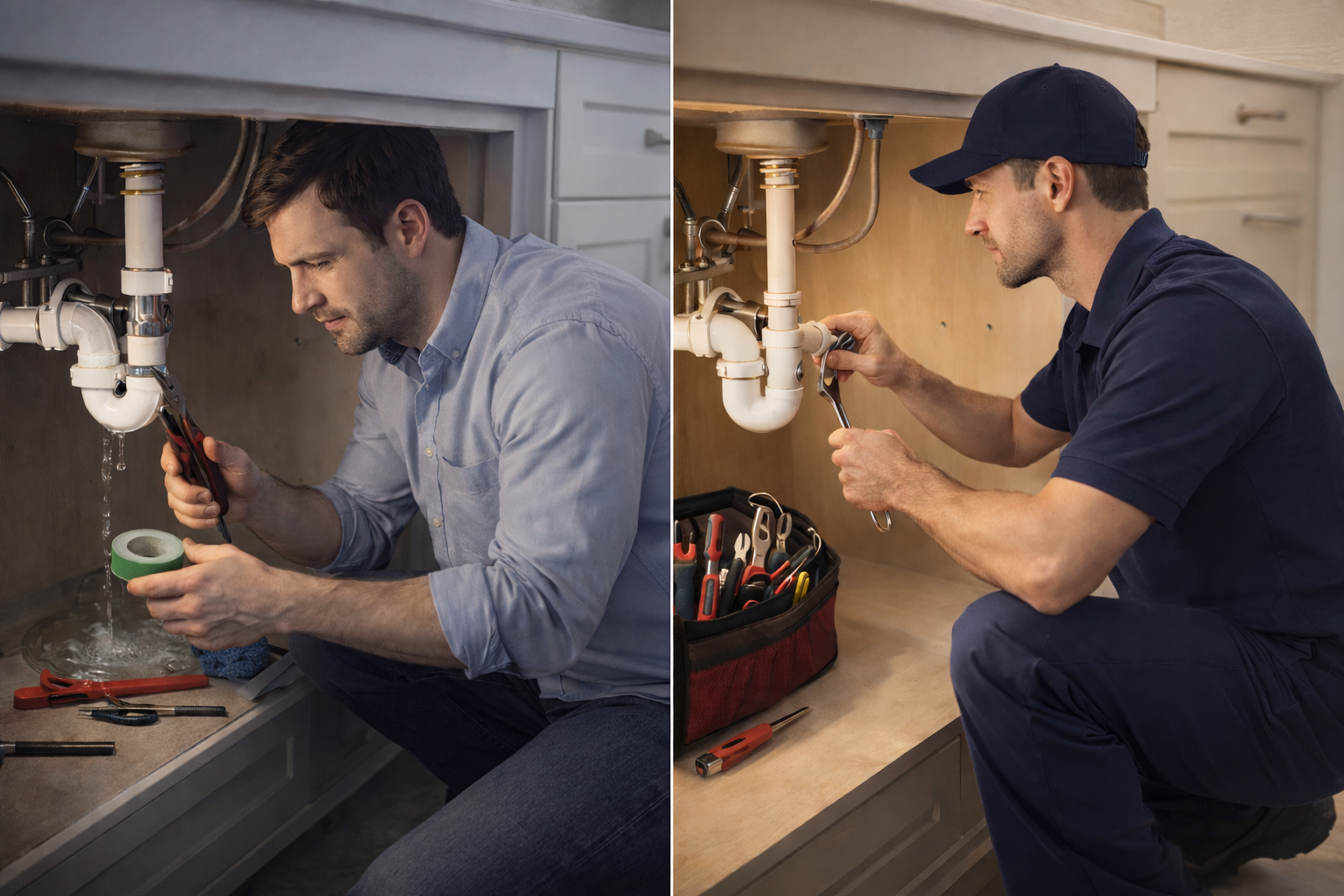
Plumbing systems perform best when problems are addressed before they fully develop. Preventive maintenance is not about reacting to visible damage; it is about identifying early warning signs and taking action at the right time. Small issues, when ignored, often grow into complex repairs that disrupt daily routines and increase costs. A proactive approach helps you stay ahead of these risks and maintain control over your property’s condition.
Small Maintenance Prevents Major Problems
Minor leaks, slow drains, or slight pressure changes may seem insignificant at first. However, these early signs often indicate deeper issues within the system. Addressing them early prevents escalation into major repairs such as pipe damage, water intrusion, or system failure. Preventive maintenance focuses on resolving these small concerns before they become costly disruptions.
Cost Control Through Early Action
One of the biggest advantages of preventive maintenance is financial stability. Regular checkups and minor repairs are significantly more affordable than emergency fixes or large-scale replacements. By managing issues early, you avoid unexpected expenses and maintain better control over your budget.
Extending System Longevity
Every plumbing system has a lifespan, but proper maintenance can extend it significantly. Regular inspections, timely adjustments, and quality care reduce wear and tear on pipes, fixtures, and connections. This ensures consistent performance over time and delays the need for major replacements.
Peace of Mind and Reliability
Knowing that your plumbing system is regularly inspected and maintained reduces uncertainty. Instead of reacting to sudden problems, you gain confidence in the reliability of your system. Even in situations where urgent help is required, such as contacting an emergency plumber Pike Township Indianapolis IN, a well-maintained system minimizes the likelihood of severe damage.
Preventive maintenance transforms uncertainty into control by addressing problems before they demand attention.
The Value of Regular Inspections
Routine inspections play a critical role in preventive care. They help identify hidden leaks, pressure irregularities, and early signs of material wear. Scheduling regular evaluations ensures that potential issues are addressed at the right time, supporting long-term efficiency and stability.
Preventive maintenance is not an extra step; it is a strategic approach that protects your property, reduces stress, and ensures your plumbing system continues to perform reliably.
Final Thoughts
The right plumbing decision protects more than pipes; it protects your property, your time, and your peace of mind. When you prioritize experience and reliability, you reduce risk, avoid repeated costs, and stay in control of outcomes. Hellosays reflects this standard by connecting you with professionals who understand real property needs and deliver consistent, dependable results.
Taking the next step is simple and practical. Register yourself on Hellosays to access trusted professionals and make confident decisions without uncertainty. Work with professionals who understand your property, and choose reliability over risk. A thoughtful choice today creates lasting stability, reduces stress, and protects your investment.
Frequently Asked Questions
What are the signs that I need a plumber?
Common signs include persistent leaks, slow drains, low or inconsistent water pressure, unusual noises in pipes, or unexpected increases in your water bill. Addressing these early helps prevent more serious and costly issues.
How much does a plumbing service typically cost?
Costs vary depending on the type of issue, complexity, and materials required. Minor repairs are usually more affordable, while larger problems or replacements require a higher investment. Clear estimates help you understand what to expect before work begins.
When should I call a plumber immediately?
You should seek immediate help for burst pipes, major leaks, sewage backups, or complete loss of water supply. These situations can cause rapid damage and require urgent attention to minimize impact.
How can I choose a reliable plumber?
Look for licensed professionals with proven experience, transparent pricing, and strong communication. Reviews and past work also provide insight into reliability and service quality.
How often should plumbing systems be inspected?
Regular inspections are recommended at least once a year. This helps identify early issues, maintain system efficiency, and reduce the risk of unexpected breakdowns.