Massive Water Infrastructure Investment Expanding Across Indiana
Indiana is investing over $246 million in water and wastewater infrastructure upgrades, focusing on replacing aging systems and improving reliability. These developments aim to enhance water quality for residents while creating new opportunities and increased demand for plumbing professionals across residential, commercial, and municipal sectors throughout the state.
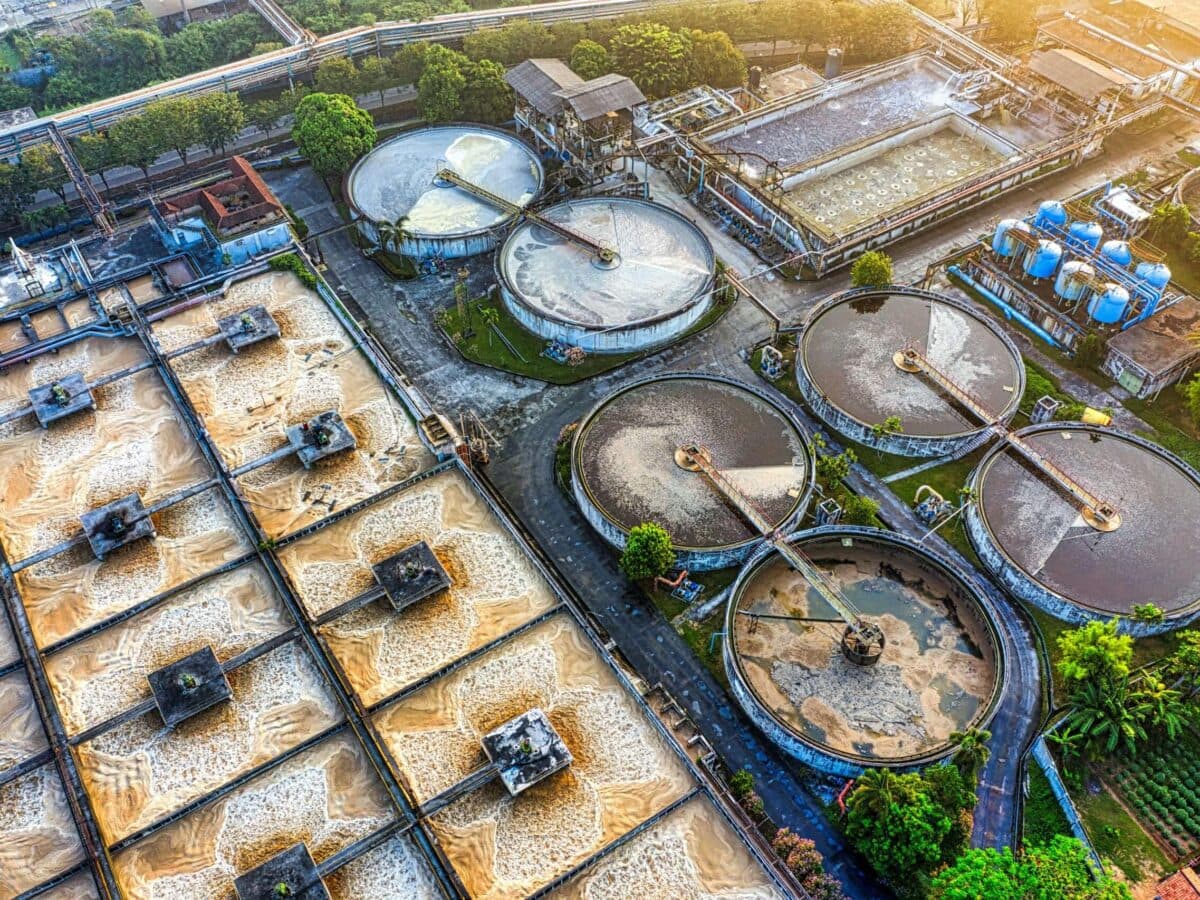
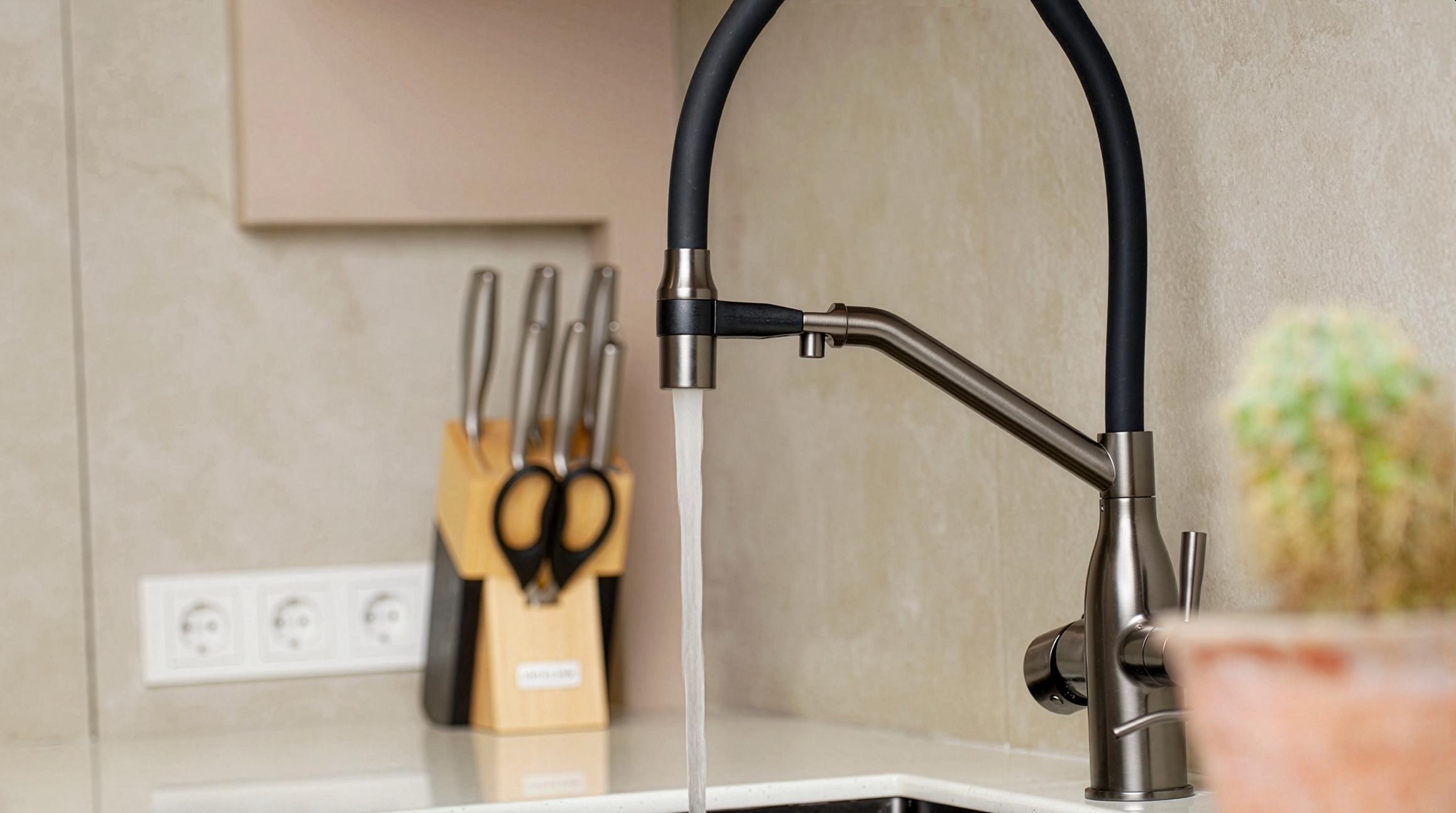
Water flows quietly through daily life, yet its absence instantly disrupts everything—from cooking and cleaning to health and safety. Behind every tap lies an aging water infrastructure system, one many rarely consider until problems begin to surface. Across the United States, these systems require massive investment to keep up with modern demands and ensure reliable service.
That reality is now unfolding in Indiana.
On March 19, 2026, Indiana American Water announced its 2025 investment summary, revealing more than $246 million allocated to water and wastewater system upgrades across the state.
This large-scale effort focuses on improving reliability, replacing outdated systems, and strengthening essential infrastructure for communities throughout the Hoosier State.
This shift goes beyond construction—it directly affects how people live and how businesses operate. Residents will experience changes in water quality and service reliability, while plumbing professionals and local service providers will see rising demand, new opportunities, and evolving responsibilities in a rapidly modernizing system.
What the Investment Includes (Simple Overview)
Indiana’s water infrastructure investment focuses on upgrading the systems people rely on every day. Major efforts include pipe replacements to fix aging and leaking lines, as well as sewer system upgrades that improve wastewater management. At the same time, cities are strengthening stormwater systems to better handle heavy rainfall and reduce flooding risks in residential areas.
A key priority within these projects is lead pipe removal, which directly improves drinking water safety. Replacing outdated materials with modern, durable piping not only protects public health but also ensures long-term system reliability. This modernization effort reflects a broader push toward safer, more efficient infrastructure across both urban and smaller communities.
Funding for these upgrades comes from a combination of federal infrastructure programs, state-level initiatives, and local government investments. Together, these funding sources make it possible to scale improvements quickly while supporting long-term sustainability.
Why Indiana Is Investing Now
Indiana’s decision to invest heavily in water infrastructure comes at a critical time when much of the existing system has reached the end of its lifespan. Aging pipelines and outdated facilities increase the risk of leaks, contamination, and unexpected failures that disrupt daily life. These issues not only affect service reliability but also create safety concerns for communities that depend on consistent, clean water.
At the same time, growing population demands continue to place additional pressure on systems that were never designed to handle today’s usage levels. More homes, businesses, and developments mean higher water consumption and increased strain on both supply and wastewater systems, making upgrades essential rather than optional.
Climate-related challenges also play a major role, as heavier rainfall and unpredictable weather patterns stress drainage and storm water systems. If ignored, these problems lead to flooding and infrastructure damage. Combined with rising repair costs, delaying action would only make future fixes far more expensive and disruptive.
What It Means for Everyday Residents
For everyday residents, these infrastructure upgrades translate into something simple yet powerful—peace of mind. Improved systems mean cleaner, safer water flowing directly into homes, reducing the risks associated with contaminants, aging pipes, and inconsistent treatment. This directly impacts health, hygiene, and overall quality of life, especially for families who rely on safe water for daily use.
Another noticeable benefit comes in the form of more reliable water pressure and consistent supply. Upgraded pipelines and modern systems help eliminate common issues like weak flow, sudden drops in pressure, or interruptions that disrupt routine activities such as cooking, cleaning, and bathing. Daily tasks become smoother and more predictable.
Perhaps most importantly, residents will face fewer unexpected plumbing emergencies. With stronger, more efficient infrastructure in place, the chances of pipe bursts, leaks, and system failures decrease significantly, saving homeowners from costly repairs, water damage, and unnecessary stress.
Short-Term Disruptions People Should Expect
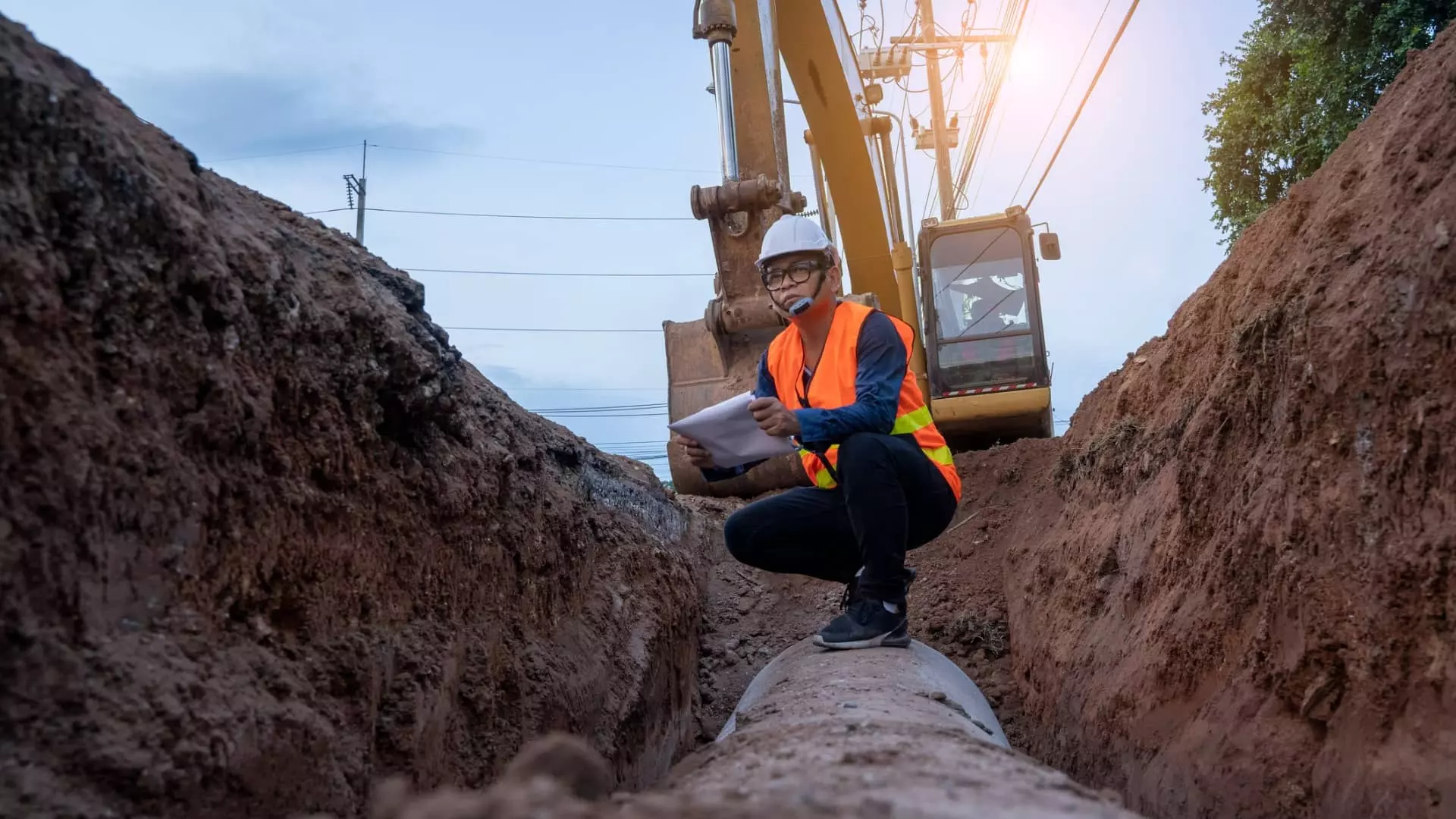
While long-term benefits are significant, residents should prepare for short-term disruptions as these projects move forward. Roadwork and active construction zones will become more common in many neighborhoods, affecting daily commutes, parking access, and overall convenience. Streets may close temporarily, and detours could become part of everyday travel for a period of time.
Temporary water shut-offs are another reality during infrastructure upgrades. Crews often need to pause service to safely replace or repair pipelines, which can interrupt normal routines. These interruptions are usually scheduled and communicated in advance, but they still require residents to plan ahead for basic water usage.
Noise, dust, and limited property access may also affect daily comfort. Heavy equipment, ongoing work, and restricted entry points can create inconvenience, especially for households and small businesses. Although temporary, these challenges are part of the process of building a more reliable system.
Financial Impact on Households
Infrastructure upgrades often come with financial changes that households will notice over time. In the short term, some residents may experience slight increases in utility bills as municipalities fund large-scale improvements. These adjustments help cover construction, labor, and modernization costs, making them a necessary part of upgrading essential public systems.
However, these initial costs often lead to long-term savings through improved efficiency. Modern pipelines reduce water loss, minimize leaks, and lower the chances of expensive emergency repairs. As systems become more reliable, households benefit from fewer unexpected expenses and more predictable utility usage.
Another important financial advantage is the potential increase in property value. Homes connected to upgraded water systems become more attractive to buyers, offering better reliability and safety. Over time, this added value can outweigh initial cost increases, making infrastructure investment beneficial not just for daily living, but also for long-term financial stability.
Opportunities for Homeowners
Infrastructure upgrades create a perfect moment for homeowners to take a closer look at what’s happening inside their own properties. As external systems improve, it becomes equally important to inspect and upgrade internal plumbing. Replacing old pipes, checking connections, and ensuring everything aligns with modern standards can help homeowners fully benefit from the new infrastructure.
This is also the right time to prevent problems before they begin. Small issues like minor leaks, corrosion, or outdated fixtures can turn into costly repairs if ignored.
Addressing them early not only protects the home but also ensures smoother performance as the surrounding water systems become more efficient and reliable.
Equally important is choosing the right professionals for the job. Hiring trusted local plumbers ensures quality work, proper compliance with updated standards, and faster response times. Experienced professionals understand area-specific challenges, making their services more effective and dependable for long-term results.
Impact on Plumbing Businesses
For plumbing businesses, this wave of infrastructure investment brings a significant increase in demand. As cities upgrade public systems, homeowners and commercial property owners also begin updating their internal plumbing, creating a steady flow of service requests. From inspections to full replacements, plumbers will find themselves at the center of both preventive and emergency work.
At the same time, new opportunities emerge through residential, commercial, and even municipal contracts. Large-scale projects often require subcontractors and skilled professionals, opening doors for local businesses to expand their reach and take on higher-value jobs that go beyond routine service calls.
However, this growth also comes with responsibility. Plumbing professionals must adapt by upgrading their skills, investing in modern tools, and staying compliant with updated regulations. Those who evolve with these changes will position themselves as reliable, in-demand experts in a rapidly advancing industry.

Challenges for the Plumbing Industry
While the surge in demand creates growth opportunities, it also introduces real challenges for plumbing businesses. One of the biggest concerns is labor shortages. As workload increases across residential, commercial, and municipal projects, many companies struggle to find enough skilled professionals to keep up, leading to longer timelines and added pressure on existing teams.
Rising material costs add another layer of difficulty.
Prices for pipes, fittings, and essential components continue to fluctuate, making it harder for businesses to maintain consistent pricing while protecting their margins. This forces many contractors to carefully balance affordability with profitability.
Maintaining quality during periods of high demand also becomes a challenge. With more jobs to handle, the risk of rushed work or overlooked details increases. At the same time, plumbers must adapt to new regulations and evolving technologies, requiring continuous learning and investment to stay compliant and competitive in a changing industry.
The Role of HelloSays + Future Outlook
As infrastructure projects expand across Indiana, the need for trusted, reliable plumbing professionals becomes more important than ever. Platforms like HelloSays play a key role by helping users connect with verified local experts who understand the demands of both modern systems and area-specific challenges. This makes it easier for homeowners and businesses to make confident, informed decisions.
At the same time, HelloSays supports local plumbing businesses by increasing their visibility in a competitive market. With rising demand, being discoverable and trusted online allows professionals to grow, build credibility, and secure more consistent work across residential and commercial sectors.
Looking ahead, these infrastructure investments point toward a stronger, more resilient future—where improved water systems support healthier communities and a more stable loscal economy.
If you want reliable results during these changes, explore HelloSays today and connect with trusted plumbing professionals who can handle your needs with confidence.